Hi, I need to add in 3 radiators to an existing system on a 25 year old condensing boiler and a narrow bore poly type pipe system and 4 1970s radiators. I have just done some retrofit work and don’t have the funds left to completely revamp the system and have an ASHP but that is the long terms aim. I could just add some standard stelrad K2 type and I have just read a previous thread and followed the link there to Jaga radiators. There was discussion about in the thread about different flow rates of system and I am concerned about the negative effect on the new radiators of putting them on the old system
Does anyone have any recommendations about radiator brands and models that would be suitable for this situation
Unfortunately I can’t help with radiator recommendations. I’m very happy with my radiators, having standardised on Faral multi finned aluminium ones but I don’t think they are available in this country any more. However similar may be available from other manufacturers .
What I would point out is that you need to maximise potential flow rate for any system that may one day have a heat pump, so if possible use 15mm copper for all extensions, even if you can’t change the existing pipework (yet?).
Enlarging your system may also require a new circulation pump.
I probably contributed to the thread on saga. We have 3 jaga rads, and now 1 Harnitek rad (better and cheaper).
The issue about flow rate is not about the rads, it is about what heat you can get through the system. Jaga and Harnitek and other such rads are designed to be run at a lower flow temp. For that to happen but have the same amount of heat in the system it is clear you need a higher flow rate. So if you keep the temp of your boiler the same then putting in Jagas will work fine - they will just pump out loads of heat as they are designed to run on a lower temp. It is when you change to a ASHP that you may have an issue. We have 10mm microbore pipes throughout the house. The firms we got in to quote for a ASHP varied from “you will have to strip out the lot and replace with 15mm copper” to “no problem at all - you just need a circulation pump and a low flow header”. We went with that option and the ASHP works brilliantly :-)). So you need to get a GOOD installer of a ASHP. Disclaimer - our house is well insulated.
The other issue off course is that your existing boiler must have sufficient capacity to add extra rads to it. If it doesn’t you won’t get any more heat out at all - it will just be distributed to rads all at a lower temp, or the rads at the end of the run will simply never heat up.
Radiators should be fitted in parallel, not in series, so the issue of radiators not heating up will be either that the pump isn’t powerful enough or the system, including the old radiators, needs rebalancing throughout.
Edit: as a general guide, the radiators nearest the pump will need to have their proportion of the flow reduced and those furthest will need their share increased. The flow rate is controlled by the lock shield valve at the return end of the radiator and any day to day temperature adjustments are controlled by the TRVs (Thermostatic Radiator Valves) on the supply end of the radiator.
Good to know an ASHP will work with a narrow bore pipe– I hadn’t come across that before. What is a low flow header? I am replacing existing rads but the replacements have a higher output. They are however normal K2 type radiators– I didnt get my head round the specs of the different types so now am worried I have made a mistake. In addition to these 3 new ones there are 4 old 1970s radiators with a set of fins at the back. I think before replacing these I will need to learn alot more. Can you mix the HARNITEK type with aluminium K2 do you know?
Thank you Tim- helpful as always. My radiators and in 2 parallel sets in series but they are not of equal size. I see that I need to do alot more research. Since my original post I have no functioning boiler at all. It keeps tripping out and I don’t know if its to do with the new digistat fitted or its the circuit board so have a few cold days ahead.
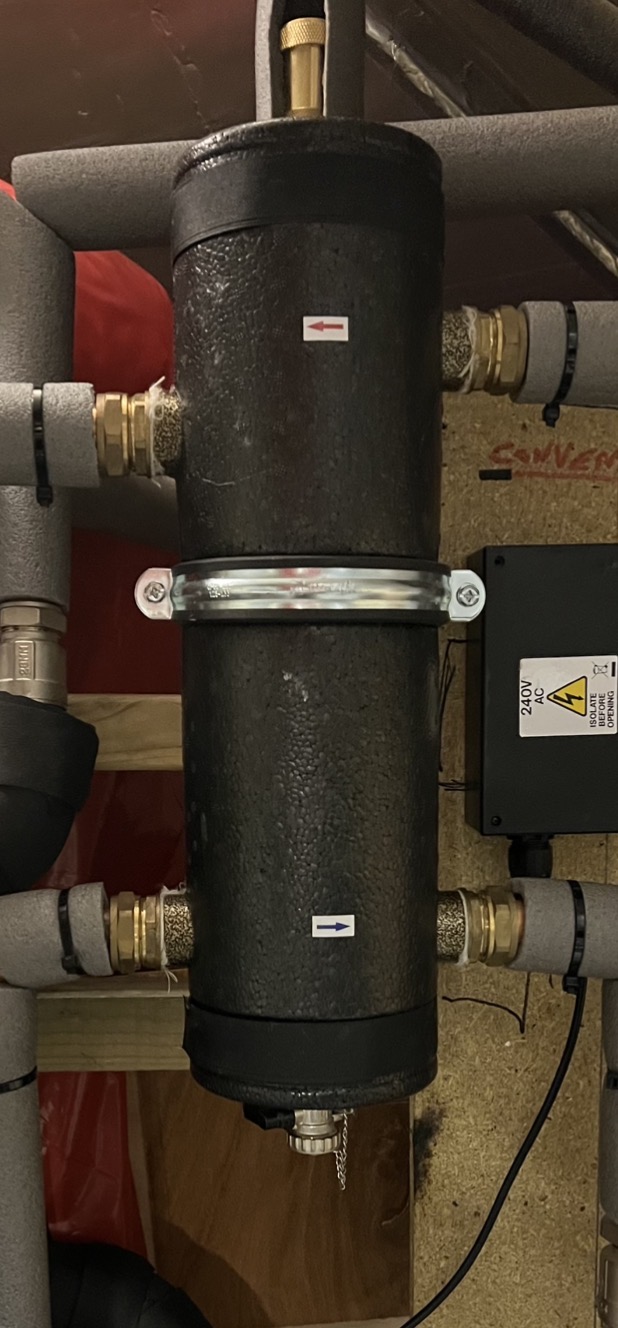
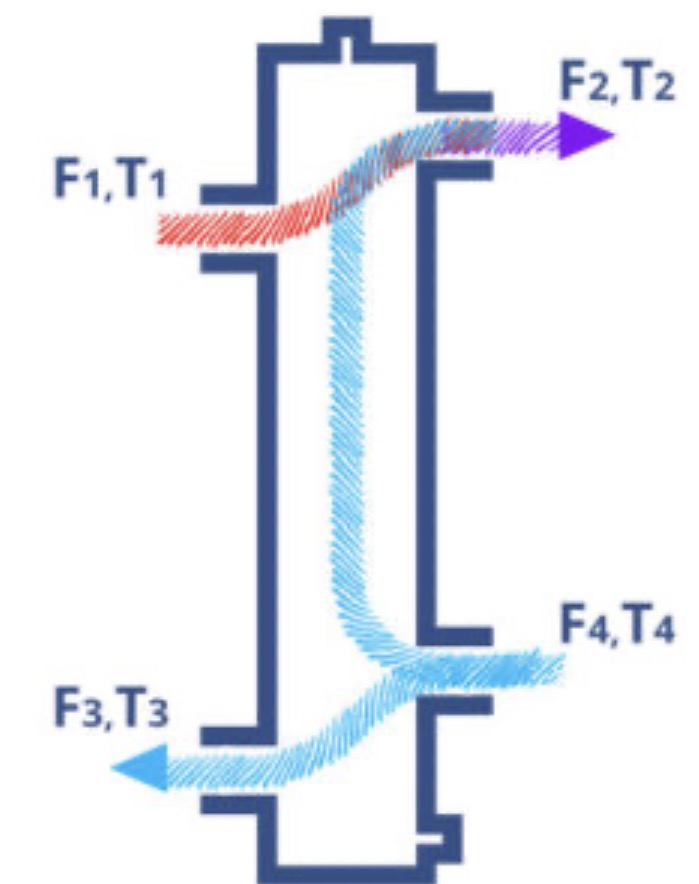
Correctly called a low loss heater it is a means to separate the heat pump flow from the household heating flow. The heat pump circulating pump may not have the umpf (technical term ) to circulate water through your entire system so instead it is circulated to the low loss header. Another pump then circulates water from and to the low loss header to the radiators.
Thanks to Tim for correcting me - I did indeed mean a low loss header. Tim’s explanation is of course perfect but if you want more put low loss header into any search engine and you will get as much as your heart’s content. The point about it with microbore pipes is that you need a very high flow rate through them to get enough heat to the rads at the reduced temp, but you want a much lower flow rate through the ASHP so that it can suck up as much as heat as possible. That is the limit of my vague knowledge about all this!!?! There is also another way of achieving this which I cannot even remember the name of but doubtless Tim knows.
As for mixing and matching rads, we have had no issues with this (though plumbers HATE doing it). The key thing as Tim says is to balance the system properly.
I think you assume too much! I have been thinking about this on and off for a few hours and I think I’ve come up with five ways to use air or ground to water heat pumps without cooling (BUS eligible ones don’t do cooling).
With direct flow to the radiators (generally giving the best COP)
With a low loss header for where there are flow problems in the house.
With a buffer tank (like a giant low loss header) for where the liquid volume doesn’t meet the minimum requirement of the heat pump.
With a volumiser (basically like a buffer tank with one inlet and outlet) best fitted as near the heat pump as possible on the return side.
With a heat store, ideal for hybrid systems, where basically a giant water cylinder has multiple coils used to heat the radiators (from half way up) and the hot water (from the top)
Theoretically you could have a separate low loss header and volumiser but that would be extra plumbing.
Good news - the rads are in. The plumbers have looked at ithe boiler that was tripping out– it now has power but the pump is permanently on and it wont fire up. It is 19 ears old and needs £600 of repairs and it may still have problems. Looks like I am going to have to get a new boiler much sooner than planned and abandon my ASHP aspirations at least for a while. V frustrating
I forgot to ask what bore pipes the new radiators are on.
Incidentally, do you know at what point the supply and return to the rest of the system restricts to microbore? Some systems are only microbore for the radiator legs, others more extensively. The less microbore the better, for any low temperature system.
Remember that once you go low temperature you will need to experiment with longer periods with heating to get adequate warmth out.
Apparently it is 15mm polypipe but its lining does not resist the build up of particles – I can’t remember the exact term the plumber used for this. The internal diameter is less than 15mm though. I have established that it was installed in 2006 I think. The water was running clear when it was drained. Apparently no gas safe plumber will install a second hand boiler so stuffed with that option and certainly can’t do it myself.
kind regards
Jo
That means your heating can only deliver ⅔ of the heat that 15mm copper would for a certain flow rate and temperature, however the resultant slower replacement of water in the radiators will allow the water to cool more, giving more heat to the rooms. Its swings and roundabouts.
Edit: I’ve just discovered that at each join the diameter reduces to 8.5mm, which further restricts flow.
 ) to circulate water through your entire system so instead it is circulated to the low loss header. Another pump then circulates water from and to the low loss header to the radiators.